

High-stakes gaming The psychology behind risk and reward
The allure of high-stakes gaming
High-stakes gaming attracts players due to its inherent tension and excitement. The thrill of potentially winning significant amounts of money can create an adrenaline rush that is hard to resist. This environment fosters a unique psychological dynamic, where the stakes involved significantly influence the behavior and decisions of players. Understanding this allure is essential for both players and operators in the gaming industry, as seen on mzansibet.org.za.
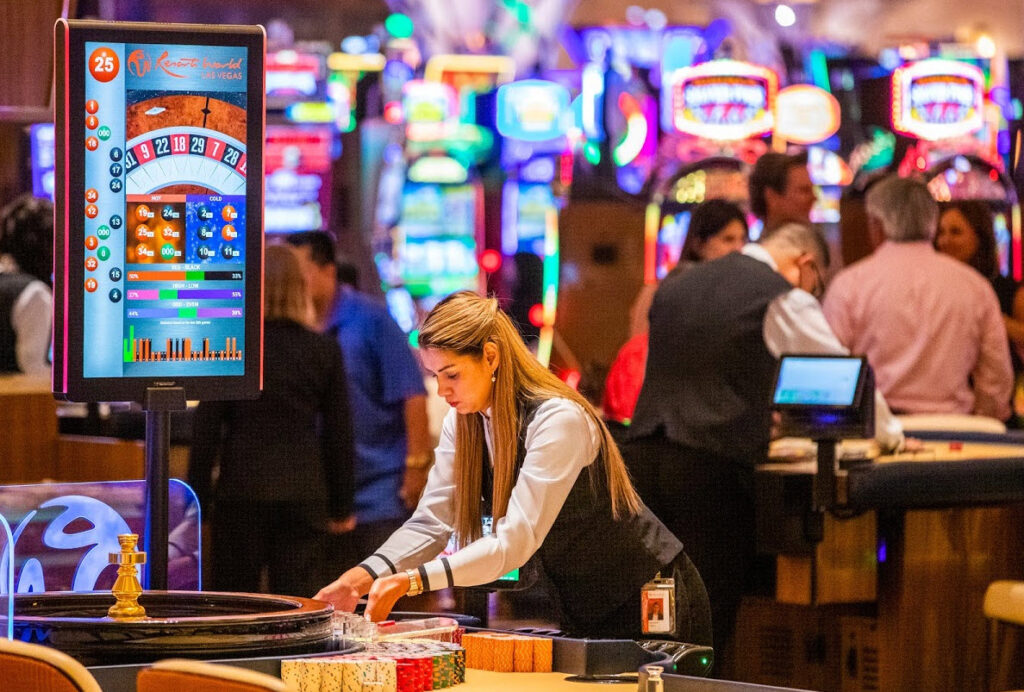
Moreover, the thrill of risk can be intoxicating. Many players are drawn to the idea of testing their luck against the odds, which can amplify their engagement. This psychological phenomenon often leads to repeated participation, as players become conditioned to seek out that next high-stakes opportunity, fueling a cycle of risk-taking behavior.
The role of reward in decision-making
In high-stakes gaming, the potential for reward is a significant motivator. The promise of large payouts can alter a player’s perception of risk. When the potential rewards are high, players may underestimate the likelihood of loss, making them more inclined to take risks. This skewed perception can lead to a variety of psychological responses, including overconfidence and a desire to chase losses.
Studies suggest that the brain’s reward system is activated during high-stakes gaming, reinforcing the behavior. This activation can result in a release of dopamine, a neurotransmitter associated with pleasure and reinforcement. Consequently, players may become addicted to the thrill of high-stakes gambling, leading to repetitive risk-taking patterns that can have serious consequences.
The impact of environment on risk perception
The environment in which high-stakes gaming occurs plays a crucial role in shaping risk perceptions. Casinos and online platforms create immersive experiences that heighten excitement and encourage risk-taking. Elements such as lighting, sound, and the presence of other players can all amplify the emotional stakes involved.
Furthermore, the design of gaming platforms often incorporates visual and auditory stimuli that enhance the thrill of winning. This sensory overload can lead players to make impulsive decisions, further influencing their approach to risk and reward in gaming scenarios. Understanding these environmental factors is vital for promoting responsible gambling practices.
Responsible gaming practices
Responsible gaming practices are essential in mitigating the risks associated with high-stakes gaming. Players must be educated about the potential psychological traps that can lead to gambling addiction, emphasizing the importance of setting limits and recognizing the signs of problematic behavior. Encouraging self-awareness and self-regulation can empower players to make informed decisions.
Operators also play a critical role in promoting responsible gaming by implementing tools that assist players in managing their gambling habits. These might include setting deposit limits, offering cool-off periods, and providing access to support resources. By fostering a culture of responsibility, the gaming industry can create a safer environment for all players.

Mzansibet: A safe gaming experience
Mzansibet South Africa stands out as a trusted online betting platform, offering a diverse array of gaming options, including over 1,500 slot games. Established in 2019 and licensed by the Western Cape Gambling Board, Mzansibet prioritizes player safety and security, ensuring a reliable environment for all users.
With its commitment to responsible gaming practices and user-friendly payment methods, Mzansibet provides an engaging experience for both new and seasoned players. By emphasizing customer support and attractive bonuses, the platform enhances the gaming adventure while promoting a safe and enjoyable atmosphere for high-stakes gaming enthusiasts.
